Garden essentials.
Updated: Jun 10
Transforming your garden space is a fun and interesting way not only to create your perfect garden and show your ideas but support native wildlife and see what decides to live in your space and support it. On this blog you'll find a few different garden essentials that support your local wildlife, they not only bring the different types of animals in, but boosts biodiversity within your gardens health.
Understanding the garden essentials.
Here you'll find listed garden practices and evidence as to why they're so important to promote the look of your garden and the care for nature.
Rotting logs and wood piles: Many people remove fallen branches and twigs from their garden to make it look more picturesque and neat which I agree with. However, I believe that you should stack logs, fallen branches, twigs, dead leaves and any other wood throw away into neat piles as it is a really easy and affordable way to create habitat and food.
Not only wildlife habitat, rotten wood overtime releases very beneficial nutrients to the ground supporting an entire community of critters and different species all together. Things like fungi, beetles, hedgehogs, amphibians and countless other organisms benefit from wood piles. It acts like a safe space and overtime is one of those spaces you'll add to the garden that gets better and better the more you let it be.
Rock piles/features: Rock features are very beneficial to wildlife and help many types of animals from small amphibians to insects. I completed the rockery transformation you'll find on the portfolio page and whilst taking apart the old rockery I found frogs, snails along with snail eggs, caterpillars, spiders and even newts. If you place a rockpile in the sunny areas of the garden it will absorb the heat and at night time give the heat out slowly creating a controlled micro-climate. Many bugs and amphibians will take shelter in the crevasses of the rocks to shelter from predators and the bad weather in the colder months of deep winter. Rock piles in the shade will also be just as beneficial to nature as caterpillars can live comfortably and many insects can lay their eggs between the rocks. Birds and other predators can't get into these rock piles creating a safe haven for the small mammals and insects to shelter, rest and breed.
Water features and ponds: In my opinion, ponds are single handedly the most important feature for wildlife in a garden. With every pond you'll attract frogs, that's for certain. Multiple different animals like, newts, dragon flies, birds and aquatic wildlife will use the pond. It is a safe haven for a lot of animals and insects, a pond or water feature will provide drinking, bathing and breeding grounds. If you have a fish pond or are thinking about creating one, it's beneficial to add sloped edges to the pond so wildlife can enter and exit the pond safely. Failing that, for gardens with a small area that are installing a pond I go to the woodlands, find a Scot's pine giant log and have it protruding out of the water to one side of the pond so wildlife can make its way in and out of the pond. Many different aquatic plants also provide oxygen to the water that helps aquatic insects thrive and breed within the waters and helps clean the water reducing maintenance and chemicals needed to keep it clean and tidy.
Different grasses and shrubs: Grasses and shrubs not only produce food for birds and insects, they create a natural looking landscape for your garden. Grasses provide movement, texture and stability to your gardens grounds. You can find many different types of grasses with many different colors, textures and heights making the landscape look interesting and supply a unique seasonal interest. Many amphibians take shelter within the grasses and even breed making ornamental grass very beneficial to your garden whilst being interesting to look at and be around.
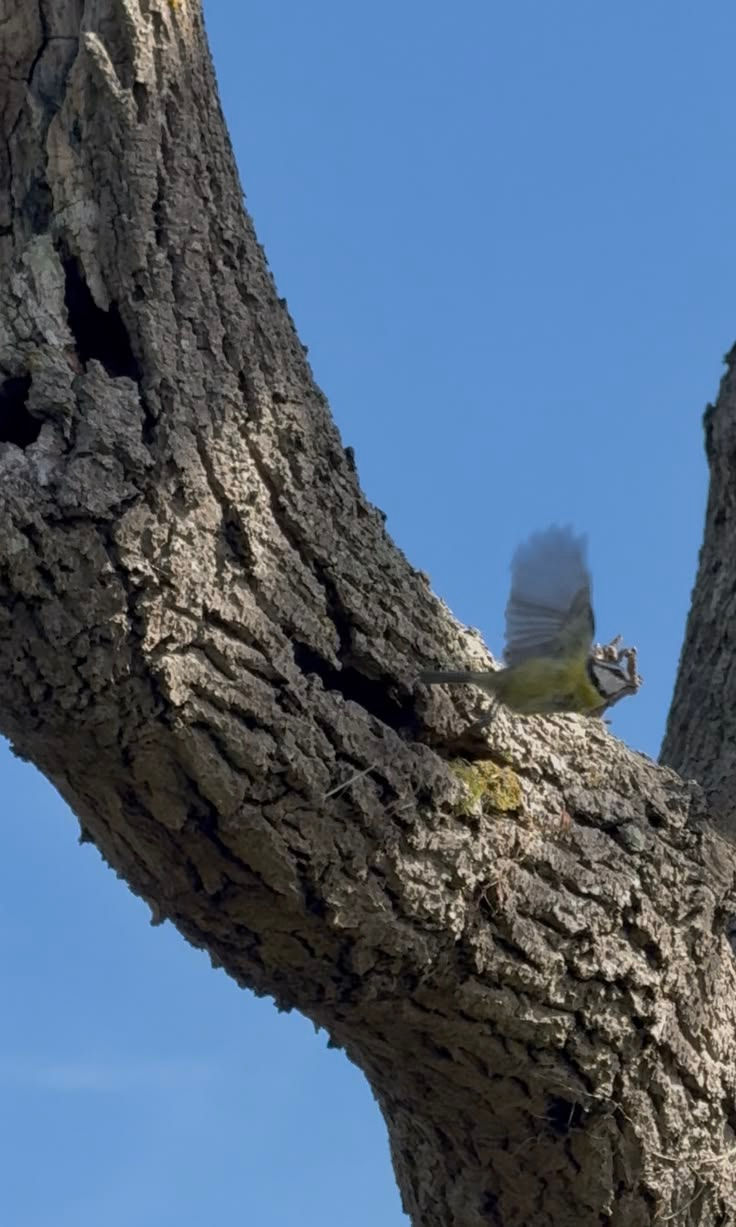
Native trees and bushes: Trees along with ponds are a garden must have as they benefit wildlife massively. Many people think that if you have a small garden you won't be able to plant trees. Wrong. The best thing about trees is you can do whatever you want with them. Trees can be pruned into whatever shape and size you want. Another worry people have is a tree will ruin the foundations of the house. In my opinion this is also wrong, unless your planting a tree directly less that 1 meter away from your house, it will be fine. Tree roots take years to spread especially through brick and foundations. In my other blog post where I talk about saplings like oak and beech, they will take around 100+ years to damage buildings and foundations, that being they're planted 2-3 meters away. So take the chance! It will be worth it. Native trees and shrubs create a natural structure for birds, mammals and insects far greater than any other species because native tree/shrub species have evolved around the wildlife for years. Birds, squirrels and bees instinctively know how to make homes within the trees and bushes and insects daily will use the trees and bushes as refuge, food and breeding grounds. Take a Hawthorn tree/bush for example, the sheer amount of insects using this tree daily is significant. Birds will nest, feed and shelter within the tree and in early spring pollinators will be attracted to the blossom the tree produces before the bright red berries in autumn. Trees also carry many different properties to enhance different plants such as moss, ferns, flowers and different fungi's like algae and lichen living among the tree. All of these things can live among the trees bark attracting insects and amphibians even more so. For example, frogs have been recorded spawning eggs onto mossy tree bark.
My conclusion is, if you want have a garden that is small with space being valuable you can add a water feature and a rock pile along side boarders made from logs and branches. Whereas a garden with a lot of space and opportunity I would plant a couple of trees along the boarders, add log/rock piles and most definitely discover more about bringing a pond into the garden. Finally, if you add these listed items to your garden it will be enhanced into a nature zone and you'll be supplying nature with multiple different factors day after day, helping different animals thrive and live naturally.
Comments